
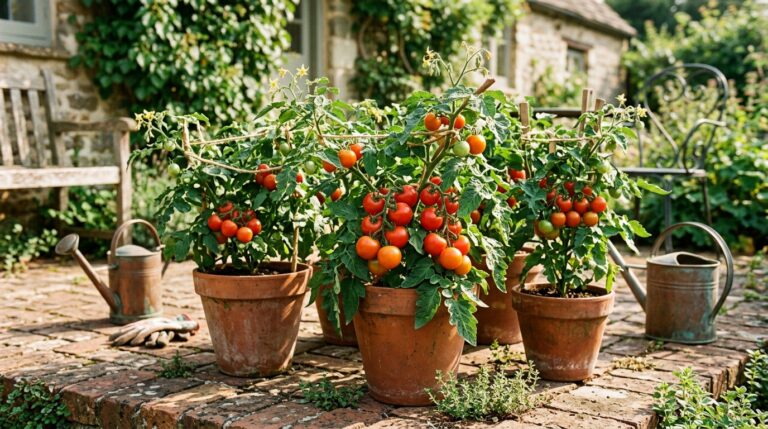
Why Grow Tomatoes in Pots?
Tomatoes are one of the most rewarding crops you can grow at home, and the good news is you don’t need a large vegetable plot to enjoy a decent harvest. Growing tomatoes in pots is a brilliant option for gardeners with limited outdoor space — whether you have a small patio, a sunny balcony, or just a warm spot beside the back door. Container growing also gives you more control over the soil quality, watering and positioning, which can actually lead to healthier plants and a better crop than growing in the ground.
If you’re new to edible gardening or looking for fresh ideas to make the most of your outdoor space, there’s plenty of inspiration and practical advice available at Forest Ferns to help you get started on the right foot.
Choosing the Right Tomato Variety
Not all tomatoes are equally well suited to container growing. Some varieties are compact and bushy — known as determinate or bush types — while others are tall, climbing plants (indeterminate or cordon types) that need more space and support. For pots, you’ll generally want to look for varieties specifically bred for container use.
Some reliable choices for pot growing include:
- Tumbling Tom — a trailing variety that works beautifully in hanging baskets and window boxes
- Balconi Red or Yellow — compact, prolific plants ideal for smaller pots
- Maskotka — a popular trailing cherry tomato with excellent flavour
- Gardener’s Delight — a classic cordon variety that can be grown in a large pot with a sturdy cane
- Tigerella — a striking striped variety with tangy flavour, manageable in a decent-sized container
Bush varieties are generally easier to manage in pots as they need less training and pruning. If you do opt for a cordon type, be prepared to provide support and pinch out sideshoots regularly.
What Size Pot Do You Need?
Size really does matter when it comes to growing tomatoes in containers. Too small a pot and the roots will become cramped, the compost will dry out too quickly, and your plant will struggle to produce a worthwhile crop.
As a general rule:
- Bush and trailing varieties: a 30–40 cm diameter pot (around 10–15 litres capacity) per plant
- Cordon or indeterminate varieties: at least a 40–50 cm pot (20–30 litres) to give the root system enough room
- Grow bags: a standard grow bag is sufficient for two to three plants, though larger-volume bags give better results
Terracotta pots look lovely, but they dry out faster than plastic or glazed containers. If you’re using terracotta, you’ll need to water more frequently. Whatever material you choose, make sure the pot has adequate drainage holes at the base.
Soil and Compost
Good compost is the foundation of a successful container tomato crop. Avoid using garden soil in pots — it compacts easily and tends to harbour pests and disease. Instead, use a quality peat-free multipurpose compost mixed with some perlite or horticultural grit to improve drainage.
Many gardeners swear by dedicated tomato compost mixes, which are formulated with the right balance of nutrients and pH level for fruiting crops. If you’re using a standard multipurpose compost, you’ll need to begin feeding your plants with a high-potassium liquid fertiliser once the first flowers appear — more on that shortly.
Planting Your Tomatoes
Tomatoes should be planted out after the last frost, which in most parts of the UK means late May or early June. If you’ve been raising seedlings on a windowsill or in a greenhouse, harden them off gradually over a week or two before moving them outside permanently.
When planting into your pot:
- Fill the container to about two-thirds with compost
- Plant your tomato slightly deeper than it was in its original pot — burying part of the stem encourages extra root growth
- Firm the compost gently around the roots and water in well
- For cordon varieties, insert a sturdy cane or bamboo stake at planting time to avoid disturbing roots later
Position your pots somewhere that receives at least six to eight hours of direct sunlight each day. A south-facing wall or fence is ideal, as it provides warmth and shelter as well as light.
Watering and Feeding
Consistent watering is arguably the single most important factor in growing good tomatoes in pots. Compost in containers dries out far more quickly than open ground, especially during warm spells. Irregular watering leads to problems like blossom end rot and fruit splitting, so try to keep moisture levels as consistent as possible.
A few practical tips:
- Water deeply and thoroughly rather than little and often — this encourages roots to grow downward
- Check the compost daily during summer by pushing your finger an inch into the surface — if it feels dry, it’s time to water
- Water in the morning where possible, aiming at the base of the plant rather than the foliage
- Consider placing a saucer beneath the pot to retain some moisture, but empty it regularly to prevent waterlogging
Once the first flowers open, switch to a weekly feed of liquid tomato fertiliser (one high in potassium). This encourages fruiting rather than excessive leafy growth. Continue feeding right through the growing season until the last tomatoes have been picked.
Training, Pruning and Support
Bush varieties need very little intervention — simply remove any dead or yellowing leaves and let the plant do its thing. Cordon varieties, however, need regular attention to keep them productive.
- Pinch out sideshoots: remove the small shoots that appear in the joints between the main stem and leaf branches, before they get too large
- Tie in the main stem: use soft garden twine to loosely tie the growing stem to your cane as it grows taller
- Stop the plant: in late July or early August, pinch out the growing tip above the second leaf beyond the highest flower truss — this directs the plant’s energy into ripening the fruit already formed rather than producing more
Common Problems and How to Deal with Them
Even well-tended container tomatoes can run into the occasional difficulty. Here are the most common issues and what to do about them:
- Blossom end rot (a dark, sunken patch on the base of the fruit) — caused by calcium deficiency linked to irregular watering; maintain consistent moisture levels
- Blight — dark patches on leaves and fruit, spreading rapidly in wet conditions; remove affected material promptly and avoid overhead watering
- Greenfly and whitefly — knock off with a strong jet of water or treat with an organic insecticidal soap spray
- Poor fruit set — often caused by insufficient pollination; tap the flowers gently when open, or grow near other flowering plants to attract pollinating insects
Harvesting Your Tomatoes
Most tomatoes are ready to harvest from mid-summer through to early autumn, depending on the variety and the season’s weather. Pick fruit as soon as it reaches full colour — leaving ripe tomatoes on the plant for too long can encourage disease and reduces the plant’s energy for ripening remaining fruit.
If autumn arrives with tomatoes still green on the plant, bring the whole pot into a warm, bright spot indoors, or pick the green tomatoes and place them on a sunny windowsill to ripen. A ripe banana nearby can speed things along nicely.
For more guidance on making the most of your garden — whether you’re growing edibles, tending to borders or planning something new — visit the Forest Ferns gardening guides for plenty of reliable, down-to-earth advice for home gardeners of all levels.