
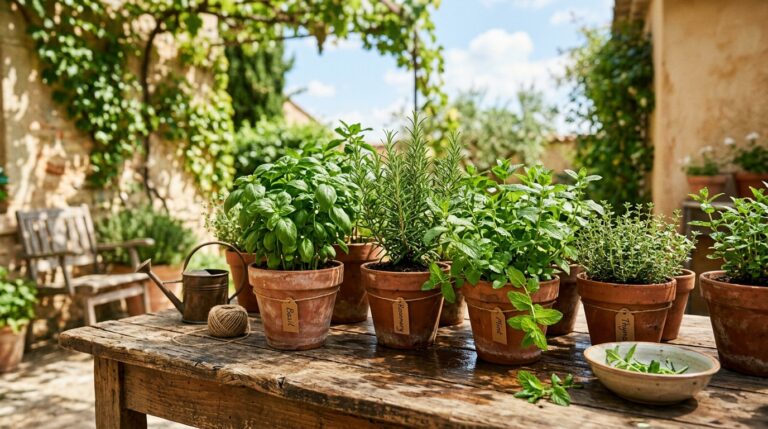
Why Grow Herbs in Pots?
Growing herbs in containers is one of the most rewarding things a home gardener can do. Whether you have a sprawling garden or a modest kitchen windowsill, a few well-chosen pots of herbs will give you fresh flavour on demand, look lovely, and cost far less than buying packets at the supermarket week after week.
Container growing also gives you control. You can move pots into a sunny spot as the season changes, bring tender herbs indoors before the first frost, and keep invasive varieties like mint from taking over your borders. For anyone just getting started, herbs in pots are genuinely forgiving — the perfect entry point into productive gardening.
Choosing the Right Herbs to Grow
Not all herbs behave the same way in containers, so it helps to think about what you actually cook with before filling your trolley at the garden centre. Here are some of the most reliable choices for pot growing in the UK:
- Basil – Loves warmth and sunshine. Keep it on a south-facing windowsill or outside during summer. Pinch out flowers to keep leaves coming.
- Mint – Incredibly vigorous and best kept in its own pot to stop it overwhelming neighbours. Spearmint and peppermint are both easy to grow.
- Chives – Hardy, undemanding and attractive. Their purple flowers are edible too and pollinators adore them.
- Parsley – Slow to germinate but well worth the patience. Both flat-leaf and curly varieties do well in pots.
- Rosemary – Virtually indestructible once established. It prefers a slightly gritty, free-draining compost and a sunny position.
- Thyme – Another sun-lover with a Mediterranean character. Excellent in a terracotta pot with good drainage.
- Coriander – Best sown directly into the pot where it will grow. It bolts quickly in heat, so sow little and often for a continuous supply.
If you are new to herb growing, starting with chives, mint and parsley is a sensible approach — all three are robust, useful in the kitchen and unlikely to disappoint.
Picking the Right Pots and Compost
Containers
Most herbs will grow happily in almost any container, provided it has drainage holes. Terracotta pots are a classic choice because they are porous, which helps prevent waterlogging — a common cause of herb death. Wooden half-barrels, window boxes, recycled crates and even old colanders can all work well. Aim for a pot at least 20–25 cm in diameter for individual plants, or a larger trough if you plan to group several herbs together.
Avoid anything without drainage. Herbs sitting in waterlogged compost will rot at the roots, and no amount of sun or feeding will save them at that point.
Compost and Drainage
Herbs generally prefer a well-drained, moderately fertile compost rather than a rich, moisture-retentive growing medium. A good approach is to mix a peat-free multipurpose compost with around 20–30% horticultural grit or perlite. This keeps the compost open and airy, mimicking the lean, stony soils that Mediterranean herbs particularly enjoy.
For mint and parsley, a standard multipurpose compost without added grit is usually fine, as these prefer slightly more moisture than their Mediterranean relatives.
Where to Position Your Herb Pots
Sunlight is the single biggest factor in herb success. Most culinary herbs need at least five to six hours of direct sun per day to develop their best flavour. A south- or west-facing patio, balcony or windowsill is ideal.
That said, parsley and mint tolerate partial shade better than most, so if your outdoor space is not particularly sunny, prioritise those varieties. Basil should always go in the warmest, brightest spot you can find — it sulks in cool, cloudy conditions and quickly develops black patches on the leaves if it gets cold and wet.
If you are gardening on a balcony or in a very exposed spot, be aware that wind can dry pots out rapidly. Grouping containers together helps reduce moisture loss and creates a slightly more sheltered microclimate for the plants.
Watering and Feeding
Watering
Overwatering kills more potted herbs than anything else. Before reaching for the watering can, push your finger an inch or so into the compost. If it feels damp, leave it alone. If it feels dry, water thoroughly until water runs freely from the drainage holes.
During hot summer spells, pots may need watering daily. In cooler, cloudy weather, every two or three days is often sufficient. Terracotta pots dry out faster than plastic ones, so keep an eye on them during warm weather.
At Forest Ferns, you will find plenty of practical guidance on watering routines and the tools that make the job easier, whether you are growing a single pot of basil or a full kitchen garden.
Feeding
Herbs in containers use up the nutrients in their compost relatively quickly, especially during the growing season. A liquid feed every two to three weeks from spring through to early autumn keeps them healthy and productive. Choose a balanced general-purpose liquid fertiliser rather than a high-nitrogen feed, which tends to produce lush but flavourless leaves.
Avoid overfeeding rosemary and thyme — too much fertiliser makes them soft and reduces the concentration of the essential oils that give them their wonderful fragrance and taste.
Harvesting and Keeping Plants Productive
The more you harvest, the better most herbs perform. Regular picking encourages bushy, leafy growth and delays flowering, which in many herbs (particularly basil and coriander) signals the end of productive leaf production.
Always harvest from the tips rather than stripping leaves from the base. For basil, pinch out the growing tips and any flower buds as soon as they appear. For woody herbs like rosemary and thyme, cut fresh new growth rather than old, woody stems, which are slow to regrow.
Mint benefits from being cut back hard once or twice during the season — this encourages a fresh flush of tender new leaves and prevents the plant from becoming straggly.
Overwintering Potted Herbs
Some herbs are fully hardy and will survive a British winter outdoors without any fuss. Chives, mint, rosemary and thyme all fall into this category, though mint will die back to the soil surface before returning in spring.
Basil and coriander are tender annuals and will not survive frost. Bring basil indoors to a warm, bright windowsill before temperatures drop below 10°C, or simply save seeds and start fresh next year.
Parsley is biennial and technically hardy, but it can look a bit ragged through winter. Bringing the pot into an unheated greenhouse or cold porch over the coldest months will help it come back strongly in spring.
Common Problems and How to Solve Them
- Yellow leaves – Usually a sign of overwatering or waterlogged compost. Check drainage and reduce watering frequency.
- Leggy, pale growth – The plant needs more light. Move the pot to a sunnier position.
- Wilting despite moist compost – Root rot is likely. Repot into fresh compost with improved drainage and remove any blackened roots.
- Aphids – A strong jet of water dislodges most colonies. Avoid chemical sprays on herbs you plan to eat.
- Bolting (running to seed) – Common in basil and coriander during hot weather. Pinch out flowers promptly or sow a fresh batch of seed.
Ready to Get Started?
Growing herbs in pots is a brilliant, low-commitment way to make your garden — or even just your windowsill — more productive and enjoyable. Once you get into the habit of nipping outside for a handful of fresh thyme or a few sprigs of parsley, you will wonder how you ever managed without them.
For more ideas on what to grow and how to make the most of your outdoor space, browse the full range of guides and tips at Forest Ferns gardening advice — there is plenty to inspire you whatever size space you are working with.